Home |General forums | Blackmagik | Hypnotism | Tantra | Spiritual Shopping |

 | Kundalini | Yoga | KSP Healing | Healthy recipes | General knowledge | World-Geography | Computernet | Spiritual keywords | Biology info | Health and Medicine | Become a free magazine member |

| Physical Science | Psychology | Add URL | Forums | Register for hypnotism course at Mumbai-Delhi | Business | Fitness | Health |

Hypno photo gallery | Ghosting hunting gallery | Pujan photo gallery | franchiseEarn money | Spiritual Store | Free Horoscope

Learn  Hypnotism - Reiki - Pranik healing - Meditation - Kundalini - Aura Reading - Distance healing - Photo therapy - Nanda Branha - Astrology. .... contact-09224399275 / 022-65882857.

Contact to Acharya ji

Aroma Therapy
Astrology
Aura Reading
Candle Therapy
Chelation  Therapy
Hypnotism
Feng Shui
Handwriting Analysis
I Ching
Light Therapy
Massage Therapy
Chinese Food Therapy
Colour Therapy
Diet Therapy
Glandular Therapy
Herbal Therapy
Hydro Therapy
Meditation
Music Therapy
N.L.P
Pranik Therapy
Prayer Therapy
Shiatsu
Sound Therapy
Telepathy
Urine Therapy
Upavasa  (Fasting)
Yoga Therapy
Eastern Gemology
Vastushastra
Magnet Therapy
Disease
Canker Sores
Cold
Dandruff
Depression
Diabetes
Earache
Food Allergies
Hair Loss
Headache
Hearing Problem
Heart Attack

Abuse Abdominal aortic aneurysm Abdominal pain Acute bronchitis Addiction Aids Alcoholism Anal cancer Anemia Anthrax Bed-wetting Benign Breast Blood in the urine Beriberi Conditions Breast cancer & pregnancy Cancer of the Bladder Cancer of the Lung Chest pain Childbirth Children's health Chronic Pain Coma Constipation in children Constipation Death Dental caries Depression Drug allergy Ear Canal Infection Electric shock Enlarged Prostate Epilepsy Exercise Eye examination Family therapy  Go to  Disease home

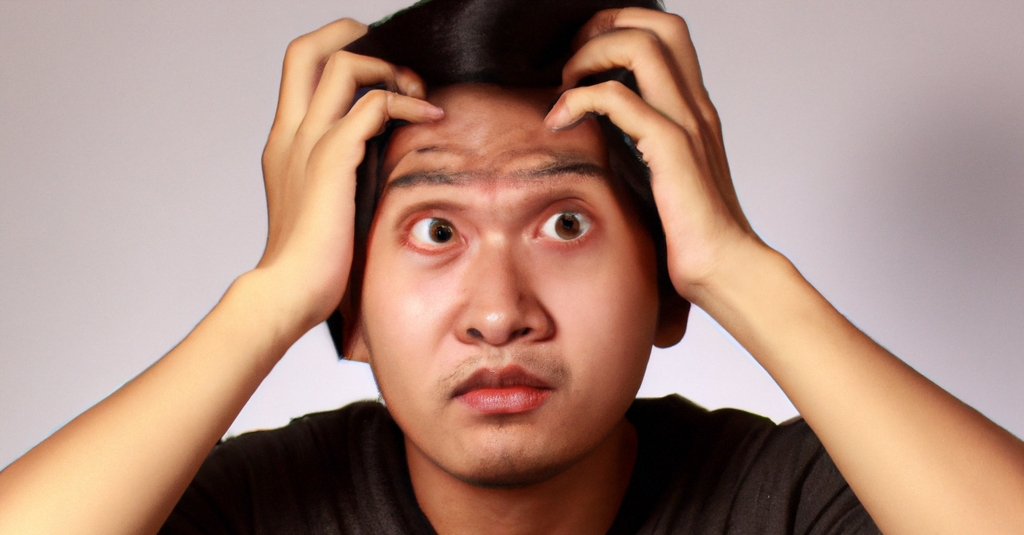
What is depression?

Depression, which must be distinguished from sadness or “the blues” is a common and legitimate medical illness. Everyone feels down or low at some stage, but when these lows last for long periods and affect general functioning and behaviour the person may be suffering from a Depressive Disorder.

Although depression is defined as a disorder of mood, it affects more that just one’s mood and includes symptoms affecting the body (e.g. low energy, sexual dysfunction), thoughts (difficulty concentrating, indecisiveness) and feelings (depression, irritability). It is a medical illness like high blood pressure, diabetes and heart problems and is not a sign of personal weakness. Depression cannot be wished away and sufferers cannot simply pull themselves together. However, with appropriate treatment 80 percent of sufferers will have relief of symptoms and up to 60 percent may recover fully.

Who becomes depressed?

Depressive disorders are common and approximately 6-10 percent of the population will experience a depressive episode in any given year. More women than men are affected (2:1) with some estimating that as many as one in five women (i.e. 20 percent) will experience an episode of depression during any given year. All races and socio-economic classes are affected equally, but it is possible that clinicians may underdiagnose depression and overdiagnose schizophrenia in patients from different racial and cultural backgrounds to themselves.

The average age for a first diagnosed episode of major depression is about 40 years, while that for bipolar disorder is 30. Fifty percent of patients have onset between ages 20-50 years. Depression can begin in childhood or in later life, but this is less common and it tends to present differently in different age groups (e.g. childhood (2%) - apathy; adolescence (5%) – behavioural problems; elderly (25 to 50%) – physical complaints).

Depressive disorders are more likely in those individuals who are socially isolated and have no close interpersonal relationships or who are divorced or separated.

Types of depression

There are several different types and sub-types of depressive illness just as heart disease may present in different ways. Three of the more common forms are:

Major Depressive Disorder (MDD) – defined as a depressed mood or loss of interest and pleasure in almost all activities for at least a two week period. Several other symptoms must also be present. These include sleep disturbances, appetite disturbances, changes in energy levels, difficulties with thinking and concentration and sexual difficulties. These symptoms interfere with usual behaviour and functioning.

Dysthymia – many of the same symptoms as those for a MDD are present but they tend to be less severe and interfere less with immediate functioning. They are, however, chronic and may continue for years so that the sufferer seldom feels really happy and that they are enjoying life.  Due to the long-term impairment of functioning, many do not realise their full potential.  Dysthymia can therefore have severe long-term consequences and can be severly disabling.

  Bipolar Disorder – This used to be called manic depression. This is much less common than the two previously mentioned depressive disorders and only 2% of the population is affected over a lifetime. Males and females are affected equally. This type of depressive disorder involves episodes of depression and episodes of mania/euphoria. The switches between these two states may be fairly sudden and dramatic but are more commonly gradual in onset. Both mood states may co-exist – mixed bipolar disorder. During episodes of mania judgement is often impaired and this can result in socially embarrassing behaviour, sexual indiscretions, excessive spending and unwise business decisions. Bipolar disorder tends to be a chronic, recurring condition and is generally considered to have a poorer long-term outcome than Major Depressive Disorder.

Other types of depressive illness include:

Minor Depressive Disorder (same duration but less severe symptoms than MDD)

Recurrent Brief Depressive Disorder (same symptoms as MDD but episodes last less than two weeks)

 Premenstrual Dysphoric Disorder (experiencing for at least one year depressive symptoms that occur during the last week before menstruation)

Post-partum Depresssion (depression following childbirth that is more severe and of longer duration than transient "Baby Blues")

Depressive Disorders may also be related to drug and alcohol abuse as well as to prescription drug usage (Substance Induced Mood Disorders) and to medical illnesses (Mood Disorder Due to a General Medical Condition).

Cause

Exactly what causes depression is not known, but research has revealed several possible causes and contributory factors. These include both biological/physical and social/psychological factors. There is often a combination of factors at play in an individual’s history and environment and different people become depressed for different reasons.

Sometimes a specific trigger may be identified but at other times people seem to become depressed for no reason at all. This is more likely when the person has experienced previous depressive episodes.

Biological factors

Neurotransmitters: Studies have shown that brain chemicals (neurotransmitters) play a mediating role in the development of depression. When the functioning of brain chemicals is disturbed, depression can occur (e.g. following the use of recreational drugs such as Ecstasy). Several different neurotransmitter systems may be involved but the two that have been more frequently implicated are serotonin (5-HT) and norepinephrine (NE). Studies have also shown a third brain chemical, dopamine, to play a role in both depressed and elevated mood.

  Hormonal factors: Increased secretion of cortisol from the adrenal gland during stress is associated with depression. Hypercortisolaemia has been shown to damage the hippocampus (an area of the brain associated with hormonal and behavioural regulation). Thyroid gland disorders are often associated with mood disorders. All patients suffering from a MDD should be tested for hypothyroidism (i.e. underactive thyroid). Studies have shown about 10 percent of patients, especially those with a Bipolar Disorder, have detectable concentrations of anti-thyroid antibodies (produced by the body in order to fight disease which in this instance turns upon the body itself). There is also an association between anti-thyroid antibodies and post-natal depression. Alterations in the pattern of growth hormone release has also been observed.

Neuroanatomical/Neurophysiological considerations: CT Scans and MRI studies, although inconsistent, have shown differences in the size of some of the brain structures (e.g. caudate nucleus) in depressed patients as well as alterations in blood flow to certain areas. Mood disorders involve pathology of the limbic system (emotional centre, memory function). The basal ganglia (stooped posture, motor slowness) and the hypothalamus (changes in sleep, appetite and sexual behaviour) have also been implicated.

  Genetic factors: Inherited factors are an important component in the development of mood disorders. Having a close relative who has suffered from a depressive disorder, especially Bipolar Disorder, increases the likelihood of developing depression. People with a genetic susceptibility are more vulnerable to depression in the face of various stressors.

Recreational drugs/medication: Some drugs (recreational and prescription) and alcohol can cause or exacerbate depression. This is possibly because they interfere with the regulation of brain chemicals or the physical structure of the brain (excessive alcohol and sleeping tablets cause shrinkage of the brain).

  Medical illness: Illness including strokes, Parkinson’s disease, Cushing's disease and thyroid disease, among others, may be a contributory physiological factor.

Psychosocial factors

Stressful life events (e.g. loss of a loved one, illness, financial worries) more often precede the first episode of mood disorders than subsequent episodes. It is believed that the initial episode in a mood disorder results in long lasting changes in the biology of the brain (e.g. the functional state and interaction of neurotransmitters; also possibly a loss of neurones and a decrease in synaptic contacts). This increases the person's vulnerability to subsequent episodes.

A family’s style of interacting with different members, the family environment (e.g. a broken home) as well as its coping patterns may increase a vulnerability to a depressive disorder. An individual’s underlying personality type (e.g. dependent, obsessive compulsive) may also be a contributory factor.

Symptoms

Depression affects different people differently. Some people may present predominantly with physical symptoms such as backache, headache or stomach complaints that do not respond to treatment. Others may complain mostly of disturbed sleep, loss of energy and appetite changes. Not everyone experiences all the symptoms of a depressive or manic episode. The severity of symptoms may also be different in different people.

These many different presentations can sometimes make it difficult to recognise and diagnose a depressive disorder. A sufferer may not seek medical help because they may not realise that they are suffering from depression and that it is a legitimate medical illness.

The most commonly reported symptoms are as follows:

 a depressed or low mood or feeling of sadness

 increased irritability

 increased anxiety or a feeling of nervousness

 loss of interest or pleasure in activities that were previously enjoyed

tearfulness or a feeling of wanting to cry but possibly an inability to do so

decreased sexual interest or other sexual problems

 changes in appetite resulting in either weight gain or weight loss when not dieting

changes in sleep pattern with either difficulty falling asleep, frequent waking during the night or waking up unusually early in the morning and not being able to return to sleep. Sleep may also be increased with a desire to be asleep most of the time

 a feeling of being chronically tired and energyless or amotivated.

 a slowing down or speeding up of physical activity (including speaking very softly or slowly)

eeling worthless, useless and helpless

feeling inappropriately excessively guilty (and possibly blaming oneself for being depressed or unable to “snap out of it”)

difficulty thinking, concentrating or remembering

difficulty making decisions, even over simple matters

 a feeling that life is not worth living and frequently thinking about death and/or suicide

becoming increasingly socially withdrawn and feeling reluctant to entertain or go out visiting

 not bothering to dress properly/self-neglect

multiple physical complaints e.g. frequent headaches; backaches/stomach aches or constipation

alteration in menstrual cycle

Anxiety symptoms are also often experienced by persons suffering from a depressive disorder (in up to 90 percent of cases) and these include nausea, dizziness, breathlessness, heart palpitations, feeling worried and fearful, being tremulous or shaky, feeling sweaty, experiencing pins and needles in the hands and around the mouth or frequently having a runny tummy and passing urine often.

If you have been feeling low or irritable together with several of the above listed symptoms for at least two weeks you may wish to complete a self-evaluation questionnaire to see whether or not you are depressed.

Course

About half of patients who are diagnosed with a Major Depressive Disorder have had significant symptoms prior to the first diagnosed episode. In some the symptoms may be experienced fairly suddenly or acutely while in others there may be a long prodrome and it is only retrospectively that changes in mood, behaviour and functioning are recognised.

An untreated depressive episode lasts from 6 – 13 months with the average duration being around 9 months. Most cases will improve although a significant minority go on to develop a chronic depressive illness. Most treated episodes last about three months. However, medication should be continued for longer (six to nine months for a first episode) because withdrawal from medication too early is almost always associated with a relapse in depressive symptoms. As mentioned previously it is believed that the first episode in a mood disorder brings about long lasting changes, which increase susceptibility to subsequent episodes. It is also thought that if the initial episode is treated early enough, with adequate medication, for long enough some of these changes may be prevented.

About 5 – 10 percent of patients who have initially been diagnosed with a MDD will experience a manic episode 6 – 10 years after the first depressive episode. The average age for that switch is 32 years and it usually occurs after two to four episodes of depression.

Prognosis

Major Depressive Disorder is a recurrent illness. While each episode usually responds to treatment it tends to be a chronic disorder and patients do tend to relapse (i.e. condition deteriorates again before an episode is completely resolved). Recurrences of major depressive episodes are also common and for a patient who has required hospitalisation for the initial episode (i.e. severe depression) there is a 30 – 50 percent chance of recurrence within the first two years and a 50 – 75 percent chance of recurrence within five years. The likelihood of relapse or recurrence is much less in those who continue to use prophylactic psychopharmacological treatment (i.e. either continue with antidepressant medication or make use of a mood stabilising drug).

Usually as more depressive episodes are experienced, the time between episodes decreases and the severity of the depression increases. Men are more likely than women to experience a chronically impaired course. A poor prognosis is also more likely with a co-existing anxiety, dysthymic or substance abuse disorder

When to call a health professional

If, after reading the preceding information, you believe that you or a family member or friend may be suffering from depression speak to your family practitioner. He or she may suggest life-style changes, medication or referral to a mental health professional i.e. psychologist or psychiatrist.

All thoughts of suicide, threats or attempts should be taken seriously and professional help sought as soon as possible. People who are planning suicide often talk about it either directly or indirectly and they may make arrangements to get their affairs in order e.g. settling debts, altering or making a will, getting rid of personal items or letters. People who feel suicidal are often reluctant to seek help and may need a great deal of encouragement and ongoing support.

Some possible warning signs to take note of:

increased anxiety or agitation

increased use of drugs or alcohol

expressing suicidal thoughts or intent

slowing down physically

extreme feelings of worthlessness or guilt

Those most at risk manifest the following risk factors:

male sex, age over 45 years

a history of alcohol dependence

an unwillingness to accept help

displays of rage, violence or irritation

recent loss or separation

unemployment or retirement

single, widowed or divorced

 prior hospitalisation for psychotic illness

Diagnosis

In order to diagnose a depressive disorder the health professional or family doctor would do a full evaluation including questions regarding family history, personal history of illness and recent stressors. Other family members and friends may be interviewed in order to obtain further information and to assess the level of support. A physical examination may be carried out or requested in order to exclude underlying physical illnesses, which could cause or contribute to a depressive disorder. Special investigations such as blood tests or sometimes even a brain scan may be requested if an underlying organic problem is suspected.

Specific diagnostic criteria have been set down in the DSM–IV (Diagnostic and Statistical Manual of Mental Disorder, 4th edition) to diagnose a Major Depressive Episode. These are described below:

The presence of five of the following nine symptoms occurring for most of the time during the same two week period resulting in a change in the level of functioning. The symptoms cause significant distress or obvious changes in social and occupational functioning.

One of the first two symptoms following must be present in order to make the diagnosis:

 a depressed mood (may be irritability in children)

 loss of interest or pleasure in previously enjoyed activities

appetite changes with significant weight loss (when not dieting) or weight gain

increased sleep or insomnia

slowing or speeding up of physical activity

 fatigue or loss of energy

eeling of worthlessness or excessive or inappropriate guilt

 decreased ability to think or concentrate or indecisiveness

recurrent thoughts of death or recurrent suicidal ideation

Treatment

Between 80-90 percent of all depressed people respond to treatment and almost all sufferers who are appropriately treated will experience at least some symptom relief.

The first aim of treatment is to ensure the safety of the patient for which hospitalisation may be required (i.e. suicidal/unable to care for self). Secondly, a complete diagnostic evaluation must be carried out. This includes a full personal and family history as well as a history of illnesses, medication and recreational drugs/alcohol used, activities, personality type and support system.

A physical examination may also be required to evaluate underlying physical illness, which may cause or worsen depression e.g. thyroid illness. It is important to detect medical problems, as these require separate, appropriate treatment.

Thirdly, a treatment plan has to be formulated which takes into account both immediate symptoms and the patient’s future well being. This would include medication, psychotherapy, life-style changes and the addressing of stressors. Stressful life events are associated with an increased relapse rate in mood disorder sufferers.

Psychotherapy

Psychotherapy is also known as “talking therapy” and involves a verbal interaction between a trained mental health professional and a patient who may be experiencing emotional or behavioural problems. There are several different types of psychotherapy, which may differ in the techniques used based on the psychological principles emphasised, but the underlying aim is to enable the patient to gain insight into him or herself and thereby change maladaptive thoughts, feelings and behaviour.

Research has shown that some forms of psychotherapy are as effective as medication in treating mild to moderate depression. Medication tends to bring about results more rapidly, but the benefits of psychotherapy may be more enduring. It is generally agreed that the best form of treatment is a combination of both pharmacotherapy or psychotherapy.

Cognitive Behavioural Therapy (originally developed by Aaron Beck)

This is a short-term structured therapy using active collaboration between patient and therapist in order to reach the therapeutic goals. This treatment approach is based on the theory that one’s feelings and behaviour are controlled by how one thinks and perceives one's world.

Those who become depressed tend to see themselves negatively, believe that others see them in a similar light, except to fail or experience continued difficulties, feel hopeless and have negative expectations of life and the future. The therapist uses various techniques to identify and demonstrate the negative thought processes, which are then challenged, and together, patient and therapist work on changing negative thought patterns and beliefs so that a more realistic and positive mindset may develop. Overall therapy is relatively short, lasting up to 25 weeks.

Interpersonal psychotherapy (developed by Gerald Klerman)

The underlying hypothesis in this therapy is that disturbed social or personal relationships may cause or precipitate a depressive episode. The depression, in turn impacts negatively on the relationships, which then further exacerbates the illness. Therapy deals with one or two current interpersonal problems and helps the patient understand how depression and interpersonal conflicts are related. The interpersonal therapy programme usually consists of 12 – 16 weekly sessions.

Psychodynamic psychotherapy (developed by Freud, Kohut, Jacobson and Abraham)

This therapy is based on the idea that current behaviour and life experience is influenced by earlier experiences, hereditary traits and present reality. It takes into account the effects that emotions and unconscious material can have on human behaviour. This is usually a long-term open-ended therapy which may continue for years and is often less interactive.

Family therapy

This is not usually a primary therapy for the treatment of a MDD, but helping to identify negative interactions within a family can help to reduce stress and thereby decrease relapse. Family therapy examines the role of the mood–disordered member in the overall psychological well being of the whole family. It also examines the role of the entire family in maintaining the patient’s symptoms. Family therapy may also provide emotional support for the family of a sufferer.

Antidepressants

Pharmacotherapy for depressive disorders has advanced considerably over the past twenty years and there are now a large number of drugs to choose from. All antidepressants are equally effective providing an adequate dosage is taken for a sufficiently long time. Different drugs may be prescribed for different individuals depending on the symptoms presented. Some antidepressants are more energising, while others may cause weight loss or gain. A decision regarding which drug to use is often made on the basis of tolerability of potential side effects.

Antidepressants do not act rapidly. A certain dosage and concentration has to be reached before they become effective. This usually takes about a month but may take six to eight weeks in the elderly. It is important to persevere and to use the prescribed drug at the correct dosage for long enough.

Patients often feel significantly better after two to three months on antidepressants, but it is important that medication be continued for as long as your doctor advises. For a first episode of depression this usually means taking medication six to nine months on optimal dosage after symptom relief has been achieved, two to five years for a subsequent episode and possibly life-long if episodes recur frequently and are severe. Stopping medication too soon increases the likelihood of relapse and the development of a chronic recurring illness.

The different types of antidepressants

1. Selective Serotonin Reuptake Inhibitors (SSRI’S)

These are among the newer antidepressants, which have been available from 1988. They act on the neurotransmitter (brain chemical) serotonin. Some of the trade names in this class include Aropax (paroxetine), Prozac, Lorien, Nuzak, Lily-Fluoxetine (fluoxetine), Cipramil (citalopram), Zoloft (sertraline) and Luvox (fluvoxamine). This group of drugs, together with the other newer agents, is the most widely prescribed due to the favourable side-effect profile and relative safety if taken in overdose. Different drugs in this class are also registered for treatment of anxiety disorders, panic disorders, post-traumatic stress disorders, obsessive-compulsive disorder and social phobia.

Side effects may be present during the first few weeks of therapy, but usually disappear after a while. These are often diminished by starting medication in low dosages and gradually increasing until a therapeutic dosage is reached.

Common side-effects include:

nausea – (take after food)

 headache – (improves after a while; start with low dosages)

agitation/anxiety

sleep disturbances

 decreased appetite

sexual disturbances (sexual problems may change but if worrisome discuss with your doctor as treatment options are available)

2. Tricyclics

This is an older group of drugs, which has been in use since 1957. These drugs affect predominantly noradrenaline. Some of the drugs in this class include Tryptanol, Trepiline (amitriptyline); Tofranil, Ethipramine (imipramine); Anafranil (clomipramine); Emdalen (lofepramine); Aventyl (nortriptyline) and others. Tricyclics are also used for the treatment of anxiety disorders, sleep disorders, pain relief, migraine prophylaxis and bedwetting (imipramine). Some patients, particularly the elderly, find the side effects of these drugs more difficult to tolerate. Tricyclics are not safe in overdose, and in the event of more tablets being taken than prescribed, medical advice should be sought urgently. Despite the side-effect profile, tricyclics are extremely effective antidepressants.

Common side-effects include:

dry mouth

dizziness (due to decreased blood pressure – alleviated by standing up slowly)

constipation

blurred vision (this will usually go away with time so new glasses or lenses are not necessary)

drowsiness (less of a problem with imipramine and lofepramine)

weight gain

These side effects are often transient and of nuisance value only. They may be managed by altering diet, water intake and rising slowly from a lying or sitting position.

3. Monoamine Oxidase Inhibitors (MAOI’s)

This is an older group of antidepressants, which is used less frequently today. These agents act by inhibiting an enzyme called monoamine oxidase which usually breaks down serotonin, noradrenaline and dopamine in the brain. This results in an increase in these neurotransmitters, the deficiency of which is associated with depressive illness. However, certain foodstuffs containing tyramine (e.g. cheese, red wine, processed meats and many others) also require monoamine oxidase for their metabolism. The inhibition of this enzyme results in an excess of tyramine which acts upon the blood vessels to cause a rise in blood pressure. This rise may sometimes be fatal and hence patients taking MAOI’s need to observe dietary restrictions. The danger of any food or drug reaction persists for about 14 days after stopping treatment with a MAOI. A washout period is therefore required before starting a different antidepressant.

The only MAOI as described above that is available in South Africa is Parnate (tranylcypromine). There is a newer MAOI available, which does not completely inhibit the monoamine oxidase enzyme and dietary restrictions are thus not that important. A severe hypertensive episode is much less likely and these drugs are only contra-indicated if the patient already suffers from uncontrolled high blood pressure. This drug is called Aurorix (moclobemide).

MAOI’s are thought to be particularly useful in treating atypical depression. They are also useful when depression is not responding to other drugs and in phobia and panic disorder.

Common side-effects include:

headache – may be a warning sign of a severe increase in blood pressure

dizziness

agitation/nervousness

insomnia

sexual problems

drug interactions - discuss all medications, including over-the-counter drugs, with your doctor before taking

interactions with certain foods

Again most of these side effects usually improve after taking the medication for a few weeks.

Other antidepressants

These antidepressants do not fit into the aforementioned groups and many of them are newer agents.

Edronax (reboxetine) – launched in South Africa during 2000. This inhibits noradrenaline reuptake and there is more neurotransmitter available in the synaptic cleft. Generally considered to be an energising antidepressant. It may cause insomnia, dry mouth, vertigo, sweating and some sedation initially. Not a good choice if there is a high level of anxiety associated with the depression.

Efexor (venlafaxine) – This is a serotonin and noradrenaline reuptake inhibitor. It is usually an energising drug with side effects similar to SSRI’s. There is a newer slow-release preparation which has fewer side effects and seems to be less likely to cause sleep disturbance. An important side effect to look out for is high blood pressure, especially in higher doses.

Lantanon (mianserin) – classified as a tetracyclic. Affects noradrenaline but via a different mechanism to the tricyclics. This is a sedative antidepressant, which is taken at night – useful if insomnia is a prominent complaint. Also useful if low blood pressure is a problem as it tends not to exacerbate this, unlike the tricyclics. May cause weight gain.

Molipaxin (trazodone) – a triazolopyridine antidepressant unrelated to any of the aforementioned antidepressants. It affects the serotonin neurotransmitter system working on pre- and postsynaptic neurones (SSRI’s exert their effects on presynaptic neurones only). The main side effect is sedation. Priapism (sustained penile erection) has been reported and may result in irreversible impotence, but this is not a common side effect.

  Remeron (mirtazapine) – belongs to a new class of antidepressant called NaSSA’s (noradrenergic and specific serotonergic antidepressants). Particularly useful if anxiety and insomnia are problems. Side effects include sedation and weight gain.

Some general points regarding antidepressants

It is important to inform your prescribing doctor of the following:

any known illness, especially cardiac problems, epilepsy, diabetes, thyroid disease, liver disease, prostrate problems, glaucoma and high blood pressure

any other medication which you may be taking. Ask your doctor or pharmacist about potential drug interactions before taking any other prescribed or over-the-counter medication e.g. cough syrup, beta-blockers, anti-histamines, antacids.

pregnancy or plans to fall pregnant in the near future and also if you are breast-feeding. Some medications can affect your baby.

It is also a good idea to try and avoid alcohol while taking antidepressants. Alcohol acts as a central nervous system depressant and can worsen depression or undermine the benefits of the medication. It also increases the likelihood of drowsiness and hence the risk for accidents while driving or operating machinery.

Electroconvulsive therapy (ECT)

It is not known exactly how ECT works but it remains the most effective treatment for severe depression. The brain displays similar changes after ECT as after taking antidepressant medication, but the onset of improvement is more rapid with ECT.

ECT is a treatment which involves electrical stimulation of the brain while under a general anaesthetic. A muscle relaxant is also given before treatment is initiated. Because of bad publicity (films such as “One flew over the cuckoos nest”) and general anxiety about using electricity near the brain it is a much underused therapy. As a general anaesthetic is required, it is only reserved for severe depression or treatment-resistant depression or when a rapid improvement is important (as in post-natal depression which responds particularly well to ECT) and where physical health is good enough for an anaesthetic. ECT is also useful for patients who cannot tolerate the side effects of medication (such as the frail, elderly and pregnant women). Several ECT sessions are required for full therapeutic benefit, usually at a rate of three per week.

Self-help

Self-help is not a treatment for a depressive illness on it’s own, but it can contribute towards accelerating recovery and it can help to maintain the benefits of treatment.

Self-help includes:

  Reading books/acquiring information. This helps to provide an understanding of the illness which can be important for both the sufferer and the family.

Eating an adequate diet so as to maintain blood sugar levels. Foods, which promote serotonin production, can be increased e.g. bananas, pumpkin pips and Horlicks. Stimulants which increase anxiety should be avoided e.g. coffee, colas and chocolate. Vitamin supplements/tonics may be useful if you are very run down or if life is normally lived in the “fast lane”.

Sleeping sufficiently – but not too much.

Exercise – begin gradually and slowly increase the intensity and amount of time spent exercising. Exercise promotes the release of the body’s natural opiates (endorphins) which improve mood. Being out in the fresh air helps to put a different perspective on problems.

Relaxation – to decrease tension and anxiety and to improve sleep. E.g. meditation, yoga, aromatherapy and massage.

Hobbies/interests – which help to occupy the mind and decrease pre-occupation with negative thoughts.

Regular breaks/holidays

  Life-style changes – expecting less of oneself; maybe lowering standards a little; delegating; asking for assistance.

Avoid alcohol/recreation drugs and cigarettes – these often worsen depression and anxiety.

Prevention

One cannot alter a genetic vulnerability or a history of loss but much can be done to decrease stressors (see self-help). A balanced life-style with adequate social interaction and support, and knowledge of what comprises depression so that help can be sought timeously, can all help to prevent depressive episodes.

Spiritual Shopping


 | Physical Science | Psychology |  Site Map

 Info Article  Devinfoware Dhyansanjivani Mantra vidya

We at Dhyansanjivani are group of spiritualists, with non commercial purpose. Looking out to spread the message of spirituality through our web site. If you have any matter, articles, point of view or message to share with everybody. You can do so with the help of  www.dhyansanjivani.org  See our Rules and regulations

Kindly note;- Dear visitors, it has come to our notice that people are posting   articles to us ,these articles are borrowed/copied without the writer's consent. if you do so kindly write the website address/the author's name/and your email address. failing which your article will not be posted. Others who have written original articles need not worry about the matter, You can also notify us if any kind of articles have been copied from your website. We will look into the matter personally and add your relevant details. Disputes arising from this matter  will be settled in the Mumbai judiciary. Any enquiry contact dhyansanjivani_1965@ yahoo.com